




South Africa

Botswana

Zimbabwe
Zambia

Tanzania
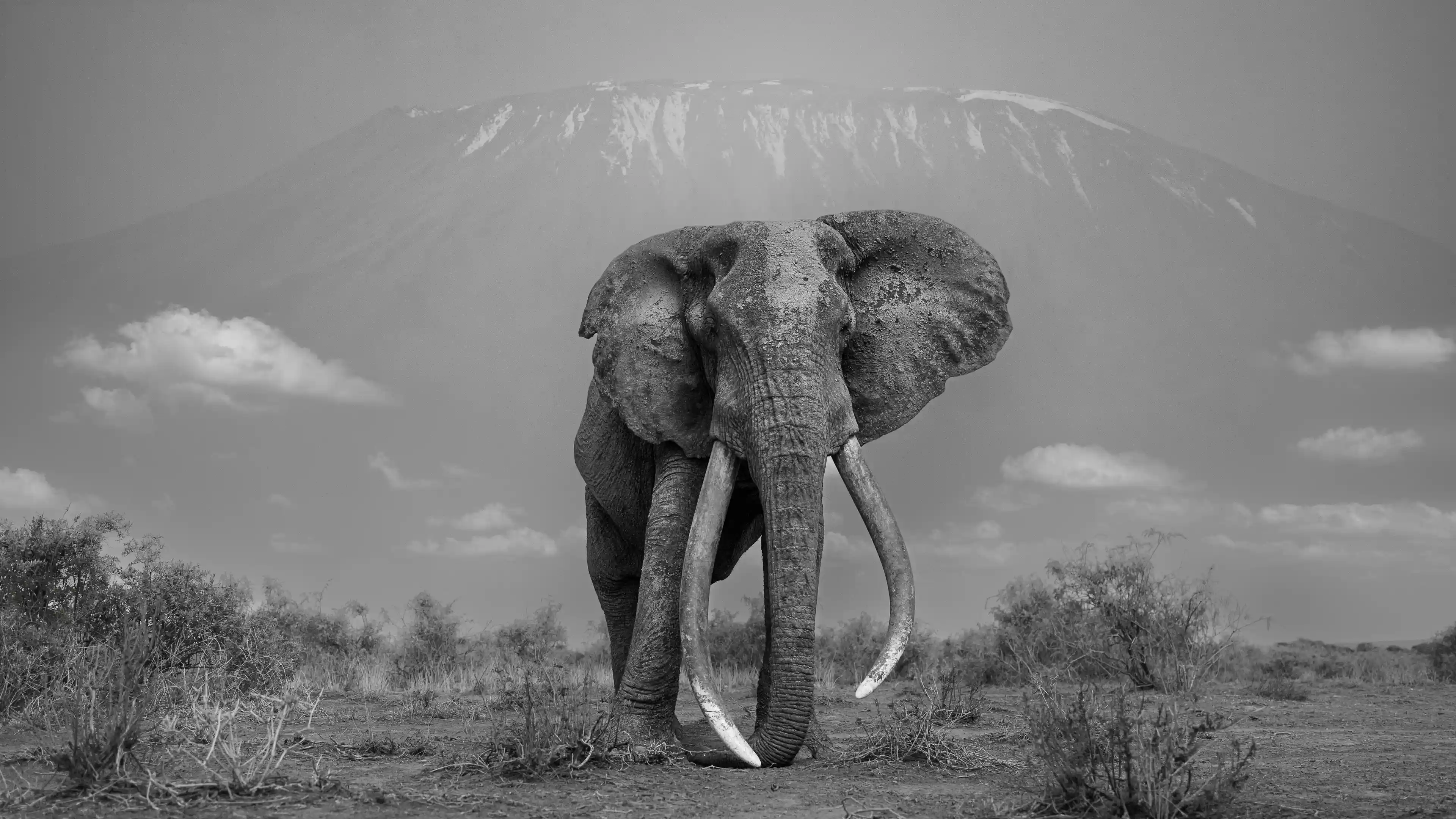
Kenya

Rwanda

Uganda

Namibia

Mozambique

Pantanal
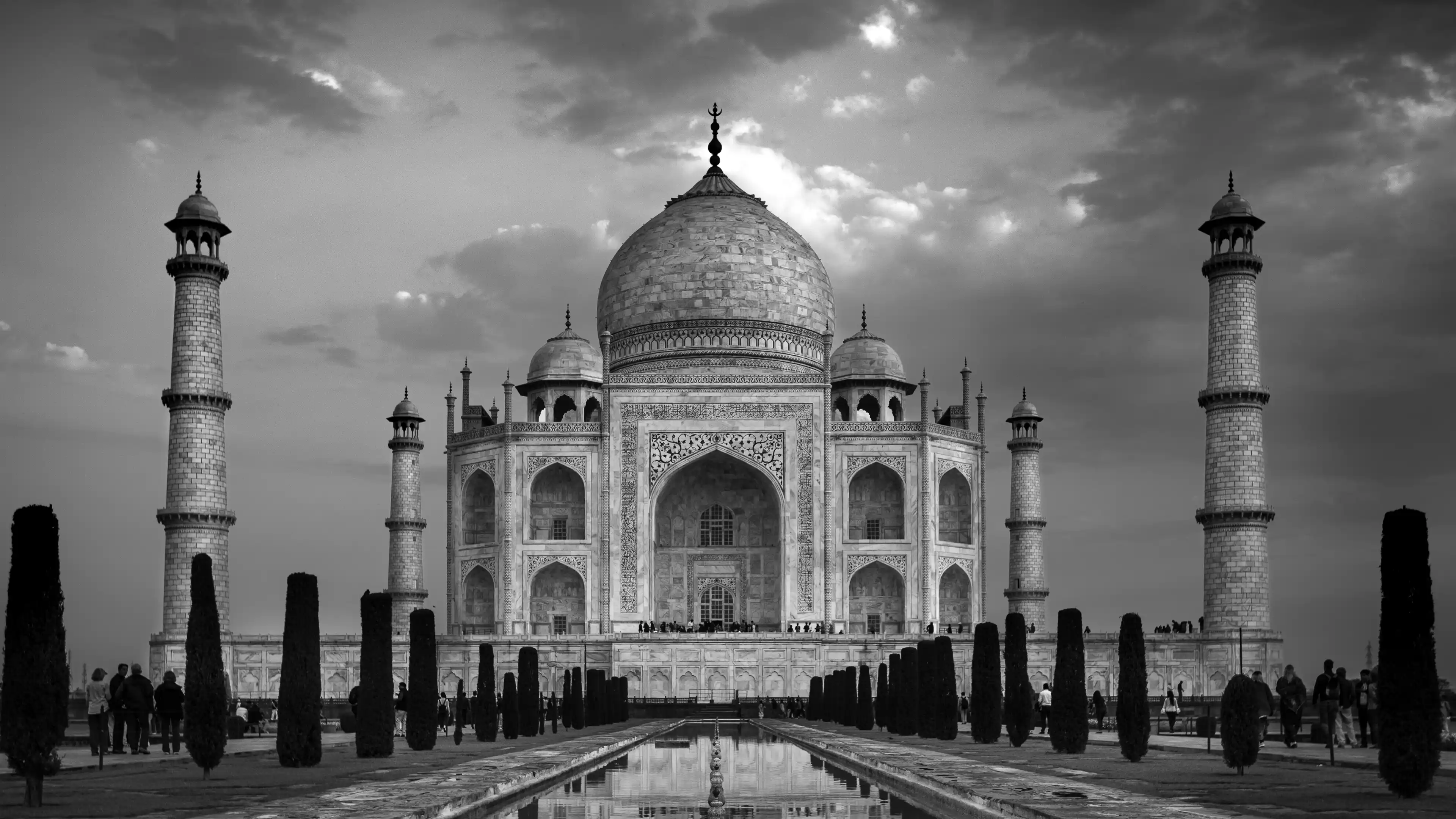
India

Chile
UPLOAD IMAGE IN THIS GREAY FRAME
Mashatu Highlights
Tailor Made Trip
6 days / 5 nights or 9 days / 8 nights


Photography Kit list
Everything you need to bring on a photographic workshop with you so you get the shot every single time. This is our expert photographic kit list.
Photography Kit list
Everything you need to bring on a photographic workshop with you so you get the shot every single time. This is our expert photographic kit list.
Photography Kit list
Everything you need to bring on a photographic workshop with you so you get the shot every single time. This is our expert photographic kit list.
What photography gear should you pack for a safari?
One question we’re asked more than almost any other is: what camera gear should you bring on safari? The simple answer is enough for flexibility, but not so much that you spend the trip worrying about your bag instead of the wildlife.
Our experienced guides will help you get the most from whatever you bring — from a professional mirrorless system to your first DSLR — since good technique and understanding animal behaviour matter more than gear. Here’s our guide to packing the right equipment for an African safari.
Your Camera Body
Bring a camera with interchangeable lenses and reliable autofocus. Two bodies let you switch lenses instantly, cut down on sensor dust, and give you a backup — though one camera works perfectly well too.
The Most Important Lens: Your Telephoto
A telephoto lens will be your most-used tool for photographing wildlife from a safe distance. Zooms offer flexibility as animals move closer or further away — you rarely need anything longer than 800mm, since many encounters happen surprisingly close. Our guides also position the vehicle to maximise your shots.
Don't Forget a Wider Lens
Wildlife often comes closer than expected — elephants and lions may pass right beside the vehicle. A 24-70mm or 24-105mm lens handles these moments and lets you capture landscapes and habitat, creating memorable environmental shots.
Should You Bring a Super Wide-Angle?
A 14-24mm or 16-35mm wide-angle lens suits landscape lovers, capturing sunrises, storms and camp scenes. It won’t see as much use as your telephoto, but many guests are glad they packed one.
Extra Batteries Are Essential
A 14-24mm or 16-35mm wide-angle lens suits landscape lovers, capturing sunrises, storms and camp scenes. It won’t see as much use as your telephoto, but many guests are glad they packed one.
Bring More Memory Cards Than You Think You'll Need
Wildlife photography generates thousands of images a day. Carry several smaller memory cards instead of one large one to spread the risk, and use dual card slots for instant backup in the field.
A Bean Bag Is Better Than a Tripod
Tripods are rarely used on game drives, since shooting happens from the vehicle. A bean bag on the window frame supports long lenses while letting you move quickly — often provided by the camp, so you may not need to pack one.
Should You Bring a Tripod?
Tripods aren’t needed on game drives, but a lightweight travel tripod is worth packing for landscapes, stars or camp shots during free time — though it’ll spend most of the trip packed away.
Cleaning Equipment You'll Actually Use
Dust is part of the safari experience. Pack a small cleaning kit — cloths, a blower, sensor swabs and a cover — and avoid changing lenses in dusty, moving conditions.
Laptop or Backup Device?
Bringing a laptop depends on your workflow — some edit nightly, others wait until home. If you do bring one, pack external storage or a portable SSD for reliable backups.
Chargers, Adapters and Power
Most camps offer power, but charging times vary. Bring chargers for all your gear — batteries, bodies, drones, laptops and phones — plus a universal travel adapter for multi-country trips.
Rain Protection
Even in dry season, weather can surprise you. A lightweight rain cover for your camera and lens takes up little space and protects your gear during sudden showers.
Camera Bag
Choose a comfortable, protective camera bag — not oversized, since gear stays out during game drives. Hard cases suit flights well but are less practical once on safari.
What About Drones?
Drones are banned or heavily restricted in most African parks and reserves, and discouraged even where allowed since they disturb wildlife. Leave them home unless permission is confirmed.
Don't Chase Equipment — Chase Experiences
Better gear doesn’t guarantee better photos — patience, light and understanding animal behaviour matter more. Bring what you’re comfortable with, learn it beforehand, and let our guides help. The memories will always outweigh the camera used.
See the world with Panthera
Owner Operated
Founders Kirstin and Lance are hands-on throughout your travel process and are present during your privately-guided journey.
Africa Based
We are located in the hub of the safari scene, in the Greater Kruger region of South Africa. Working from Africa and in Africa is the secret to our success.
First Hand Knowledge
We’ve explored our own back yard and we’ve jetted to the small corners of the earth to discover our natural world. Let our first-hand knowledge guide you.
Sign up for updates


Useful Information
Connect
Copyright 2026 Panthera Photographic Safaris
See the world with Panthera
Owner Operated
Founders Kirstin and Lance are hands-on throughout your travel process and are present during your privately-guided journey.
Africa Based
We are located in the hub of the safari scene, in the Greater Kruger region of South Africa. Working from Africa and in Africa is the secret to our success.
First Hand Knowledge
We’ve explored our own back yard and we’ve jetted to the small corners of the earth to discover our natural world. Let our first-hand knowledge guide you.
Sign up for updates
Useful Information
Connect
Copyright 2026 Panthera Photographic Safaris